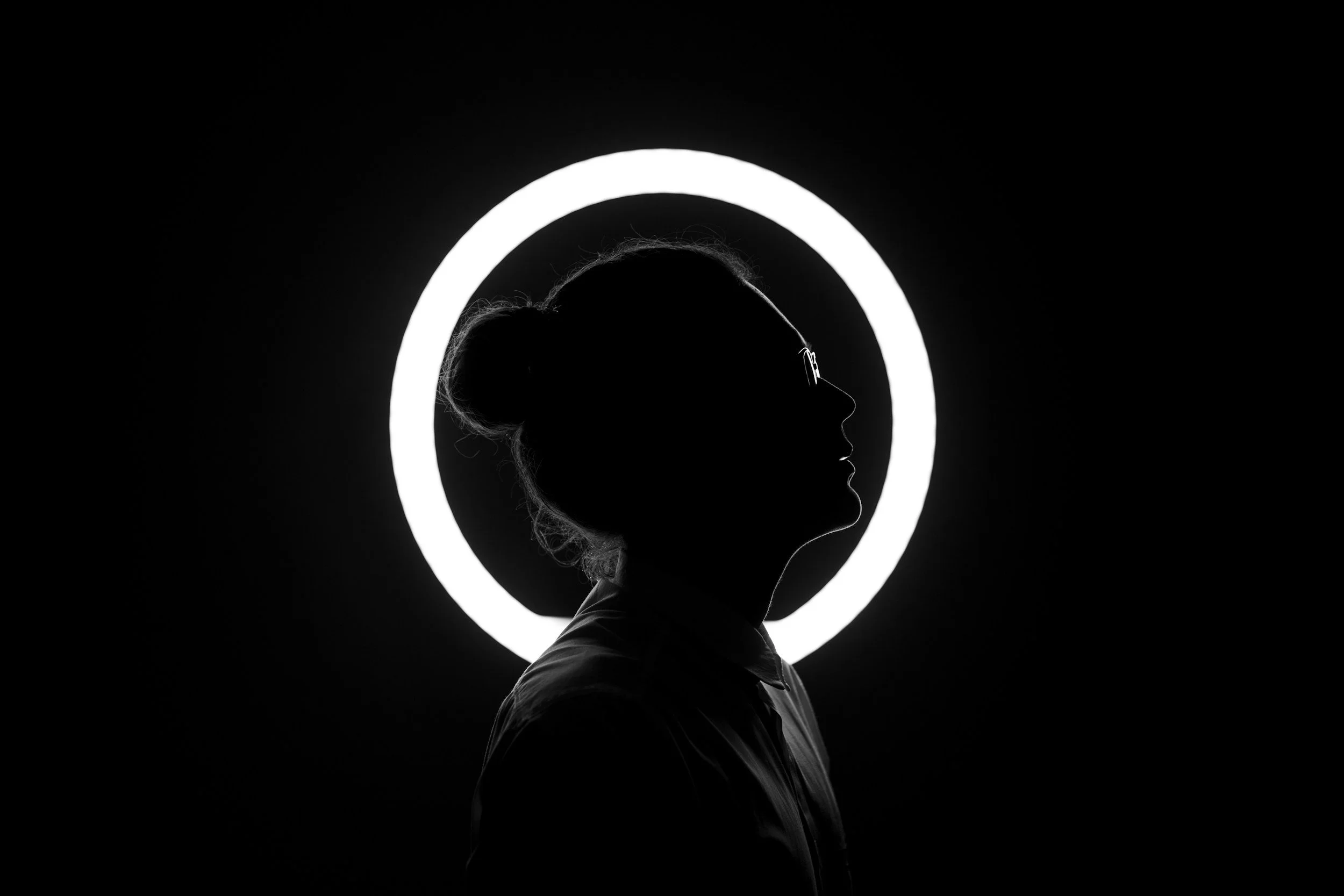
Sleep paralysis is one of the most unsettling experiences a person can endure during sleep. It is a state in which a person becomes consciously aware while falling asleep or waking up but is unable to move or speak. What makes sleep paralysis particularly horrifying, however, is not just the physical immobility, but the terrifying hallucinations and intense fear that often accompany it. This strange intersection between sleep and wakefulness can blur the line between dream and reality, leaving individuals shaken long after the episode ends.
The terror of sleep paralysis is not merely about being stuck in one’s body; it is about what the mind conjures during that moment of helplessness. Vivid, often malevolent hallucinations—dark figures in the room, voices, or a crushing weight on the chest—are common. These hallucinations, combined with the inability to cry out or move, create a perfect storm of fear. For many, sleep paralysis is not just a medical phenomenon but a deeply emotional and sometimes spiritual crisis.
The Experience of Being Awake but Paralyzed
At the heart of sleep paralysis lies the contradiction of being mentally awake while physically paralyzed. This state occurs during REM (rapid eye movement) sleep, the stage when dreaming happens and the body is naturally immobilized to prevent us from acting out our dreams. In sleep paralysis, this REM atonia persists into wakefulness. The person regains consciousness, often with their eyes open, but remains trapped in an unresponsive body.
This sensation of immobility is terrifying in itself. People often describe it as feeling like they're locked inside their own body, unable to escape. There is a desperate urge to move, scream, or even blink—but nothing happens. The fear that accompanies this paralysis is primal, tapping into the most basic human instinct: the need to fight or flee. But in that moment, neither is possible.
The Hallucinations: Shadow People and Demons
What makes sleep paralysis especially frightening are the hypnagogic (as you fall asleep) or hypnopompic (as you wake up) hallucinations that often accompany it. These are not simple visual distortions or fleeting images; they are often fully immersive, multisensory experiences that feel real.
One of the most common hallucinations is the presence of a malevolent entity. Many people report seeing shadowy figures standing at the foot of the bed, moving across the room, or even looming over them. These so-called “shadow people” are usually described as dark, featureless, and threatening. In some cultures, they are interpreted as ghosts, demons, or even aliens. The hallucination may include hearing footsteps, whispers, or growling noises, further amplifying the terror.
Perhaps the most iconic and widely reported hallucination is the sensation of a pressure on the chest, as if someone is sitting on the sleeper. This is often referred to as the “Old Hag” experience, based on folklore that predates modern scientific understanding of the condition. Many cultures have myths explaining this feeling as a supernatural attack. Whether interpreted as a succubus, a demon, or a spirit, the effect is always chilling.
The Psychological Toll
Although sleep paralysis is medically harmless, the psychological impact can be profound. Some people experience recurring episodes that disrupt their sleep and create chronic anxiety. Fear of experiencing sleep paralysis can itself lead to insomnia, forming a cycle of sleep disturbance that becomes difficult to break.
For individuals with underlying mental health issues, such as anxiety or PTSD, the horror of sleep paralysis can exacerbate existing conditions. The line between reality and hallucination can feel perilously thin during these episodes, leading some to question their sanity or believe they are being targeted by supernatural forces.
In some cases, people avoid talking about their experiences for fear of being judged or not believed. The vividness of the hallucinations makes them feel real, and it’s not uncommon for someone to wonder if something truly did happen to them during the night. This sense of isolation can deepen the emotional scars of an already terrifying event.
Cultural Interpretations of Sleep Paralysis
Across the globe, sleep paralysis has inspired a rich tapestry of myths and legends. In Japan, it’s known as “kanashibari,” and is often associated with spiritual possession. In Newfoundland, the condition is referred to as being “hag-ridden,” linking it to the belief that a witch sits on the chest of the sleeper. In parts of Africa and the Caribbean, sleep paralysis is attributed to curses or attacks from spirits.
These cultural narratives have developed independently in societies with no direct contact, underscoring just how universal and deeply disturbing the experience is. While modern science attributes sleep paralysis to disruptions in REM sleep, these ancient stories reflect a long-standing human attempt to explain the inexplicable horror of being paralyzed in bed while terrifying visions unfold around you.
Why Is Sleep Paralysis So Scary?
What makes sleep paralysis so uniquely horrifying is that it hijacks two of our most basic emotional mechanisms—fear and helplessness. The hallucinations are terrifying because they often reflect our most primal fears: intruders, the supernatural, suffocation, or death. The inability to move, scream, or defend oneself only intensifies the experience, leaving many feeling as if they are on the verge of dying or losing their mind.
The fact that it occurs during a highly vulnerable state—sleep—makes it even more violating. Unlike a nightmare, where the sleeper wakes up and realizes it was just a dream, sleep paralysis is experienced in a conscious state. This gives it a terrifying realism that nightmares usually lack.
Coping with Sleep Paralysis
For those who experience sleep paralysis, the most effective way to reduce its occurrence is by improving sleep hygiene. Getting enough rest, maintaining a regular sleep schedule, managing stress, and avoiding stimulants like caffeine or alcohol near bedtime can help. In persistent or severe cases, consulting a sleep specialist may uncover underlying conditions such as narcolepsy or sleep apnea.
While it may not be possible to eliminate sleep paralysis entirely for everyone, understanding what it is and how it works can help ease the fear it provokes. Knowing that the hallucinations are not real and that the paralysis will pass can transform an experience of horror into one of acceptance—and ultimately, resilience.
Sleep paralysis forces us to confront the dark edges of consciousness. It reveals how thin the boundary is between sleep and wakefulness, reality and illusion. For many, the horror of sleep paralysis lies not just in the moment itself, but in the lingering fear that it could happen again. But with awareness, education, and support, those moments of night-bound terror can become less frequent, less intense, and perhaps—less terrifying.
This article was created using OpenAI’s ChatGPT on May 16, 2025 and it was personally reviewed and edited by Brandon Peters, M.D. to ensure its accuracy. This use of augmented intelligence in this way allows the creation of health information that can be trusted.