By Brandon Peters, MD
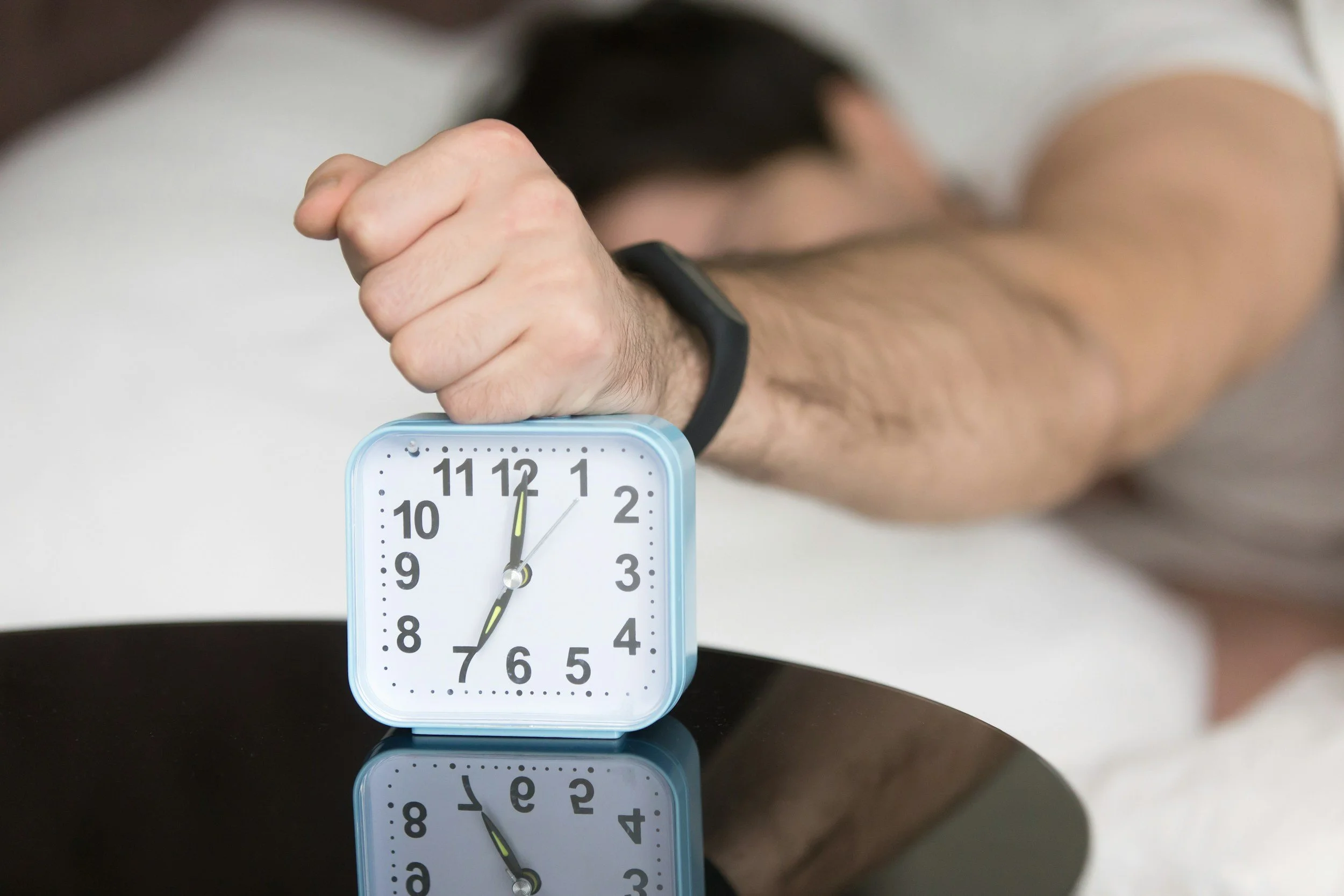
What is the first thing you do when you wake up at night? If it’s look at what time it is, you might consider how turning your alarm clock around may actually help your insomnia. Learn how checking the clock may provoke emotional reactions that disrupt sleep even further and how a simple solution may help you to sleep better.
Insomnia is defined as difficulty falling or staying asleep. For many people, it manifests by taking a long time to fall asleep initially or by frequently waking up in the night with trouble returning to sleep. There are multiple causes of insomnia, but paying attention to what time it is can actually make the condition worse.
If you wake up at night and immediately check the clock, there may be consequences to this seemingly innocent action. First, looking to the clock can become a habit. Every time you briefly return to consciousness in the night, rather than simply letting yourself fall back asleep, you may instead wake even further to look to the clock. Depending on what you find, you may put yourself into an emotional state in which returning to sleep becomes even more difficult.
Let’s take an example in which you check the clock and it’s 3 AM. This piece of information may be rather harmless if noted in isolation. It really shouldn’t matter what time of the night it is. However, in the context of your difficulties sleeping, it is a loaded experience. “Oh great,” you might promptly think, “I’m wide awake again.” This may incite a negative reaction, causing you to feel upset, angry, frustrated, or even despondent. How likely is it, when experiencing those feelings, that you will be able to calmly and easily fall back asleep? Quite the contrary, you are more likely to be worked up, aroused further, and stay awake even longer.
To counter this tendency, set your alarm for the time you wish to wake up in the morning. Then, turn the clock around so you can’t see the time. When you awake in the night, you may check it a few times until you remember that you can’t see it any longer. If you awake, tell yourself that you do not hear your alarm blaring, therefore, no matter what time it is, you can return back to sleep. Whether you awake early or late in the night, this will help you to doze off more easily. There will no longer be emotional reactions that can further disrupt your sleep.
There is no reason to keep track of the time at night. It only will further your difficulty returning to sleep. Instead of checking the hour, allow yourself to remain quiet and comfortable until sleep resumes. It is normal to wake up at night – to change positions, adjust the covers, even roll over – but it becomes a problem when this wakefulness persists. Use relaxation techniques such as breathing, muscle relaxation, or guided imagery to distract yourself from any effort related to falling back asleep.
If you find yourself checking your alarm clock at night, the simple step of turning it around may allow you to ease yourself back into sleep. This step can be an important part of other interventions offered by cognitive behavioral therapy for insomnia (CBTI). For those with persistent insomnia, you may wish to speak to a sleep specialist about your treatment options.